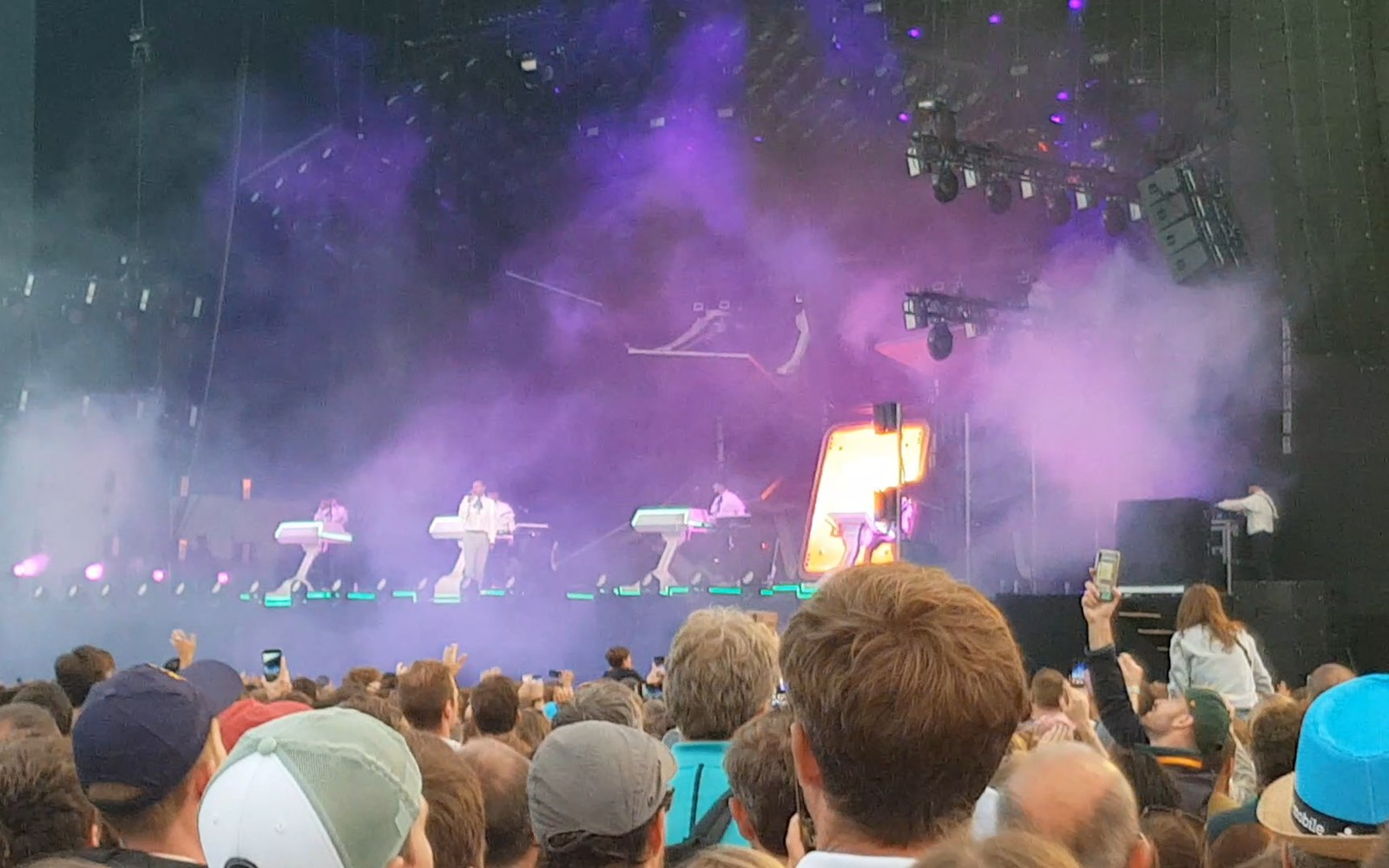
Stromae’s Multitude arrived as argument, not comeback
Multitude arrived after years away and treated the gap as material rather than something to apologise for.
Rap became the dominant genre in France, and it moved the map while it did. The names filling the Accor Arena come from Aulnay-sous-Bois, Longjumeau, the northern edge of Marseille and the far side of Toulouse. Start with where, and the rest of it explains itself.


Marseille has its own labels, its own studios and an accent that stays on the record. Jul built a catalogue and an audience largely outside the Paris industry and then filled the Vélodrome with it.
Jul releases through his own label, D’or et de platine, and has never needed a Paris office to do it. SCH turned JVLIVS into a sequence of records at exactly the moment the streaming economy was telling everyone to release singles and keep them short.



 WIFEY knows a keeper the way Marseille knows which voice carries.
 Raging Stallion has refined its craft longer than most indie labels have existed.
 ASGMax unites studios the way a collective label rewrites who controls the sound.
 XEmpire runs recognised brands under one roof — a major-label move, executed.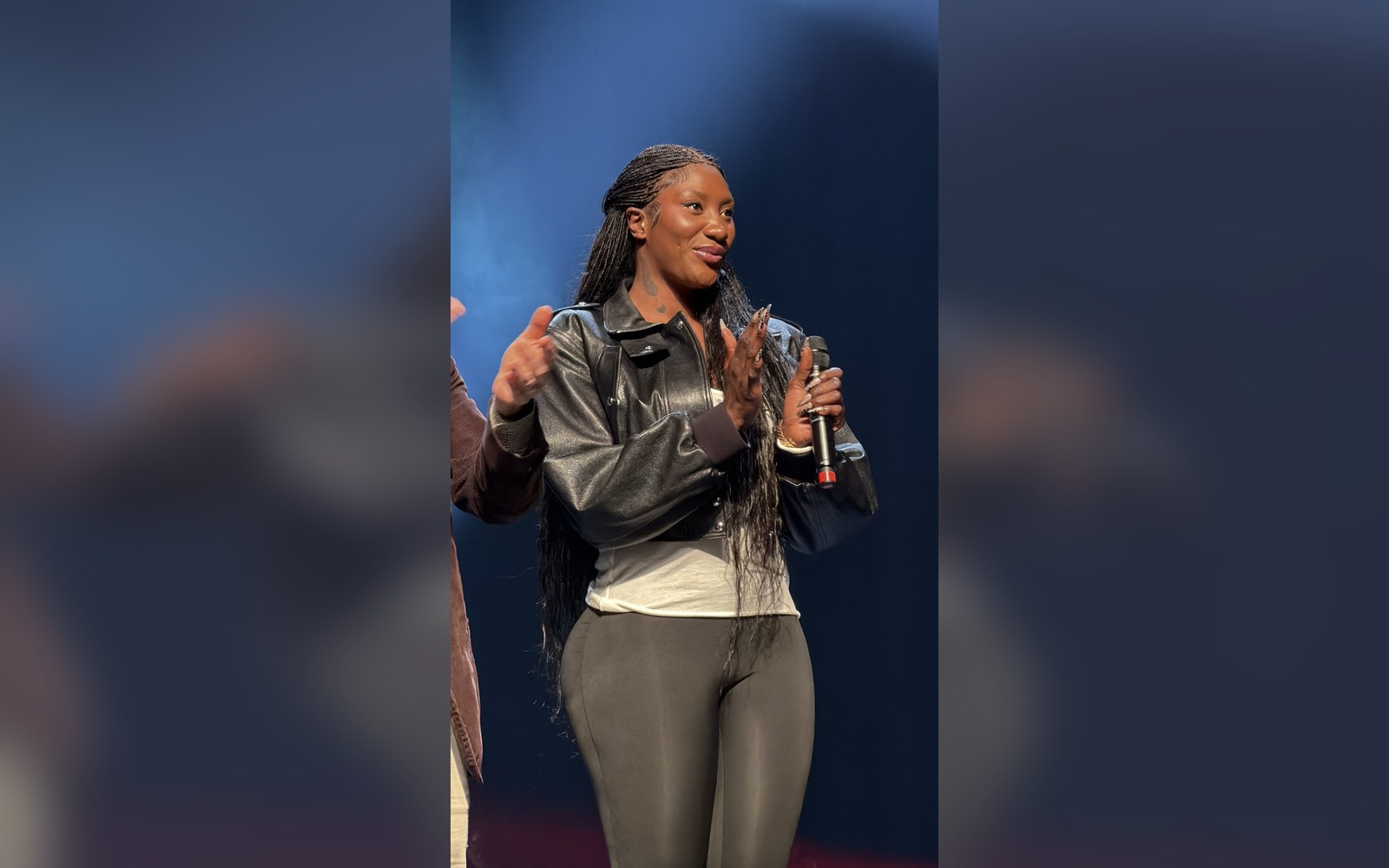
Aya Nakamura sings in a register the Académie does not recognise, has the streaming figures to make that argument academic, and opened the 2024 Olympics in front of the Garde Républicaine.
Multitude arrived after years away and treated the gap as material rather than something to apologise for.
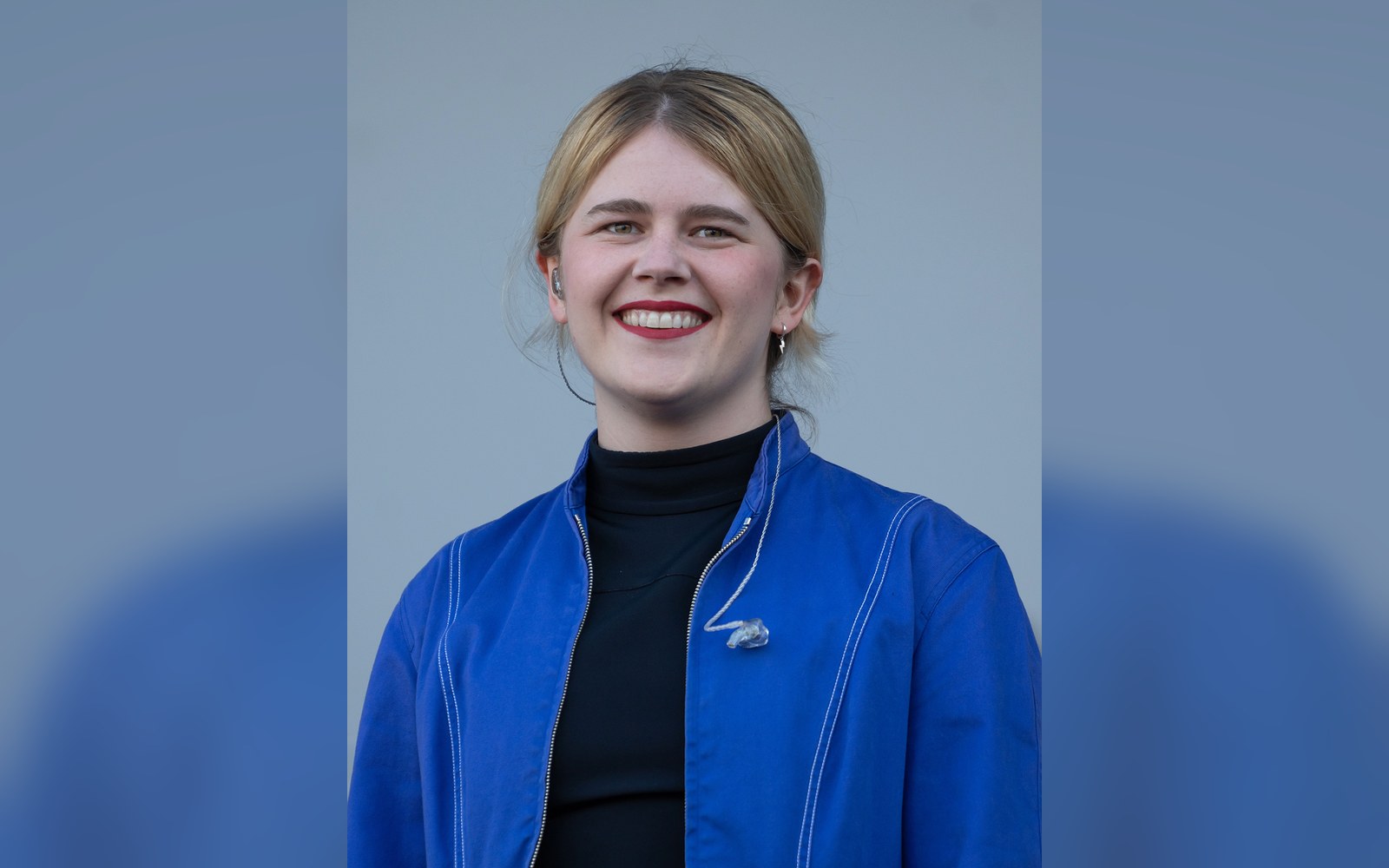
Zaho de Sagazan took the Victoires in 2024 with a record built on French chanson phrasing over electronic arrangement.

Angèle, Clara Luciani and Juliette Armanet write in a tradition where the words lead and the arrangement follows.
The Toubon law set a minimum share of French-language music on the radio. Thirty years on it still shapes playlists, and the argument about it has never actually stopped.
Because Music and Ed Banger built rosters that travelled, and the second one gave French electronic music a house style for a decade.