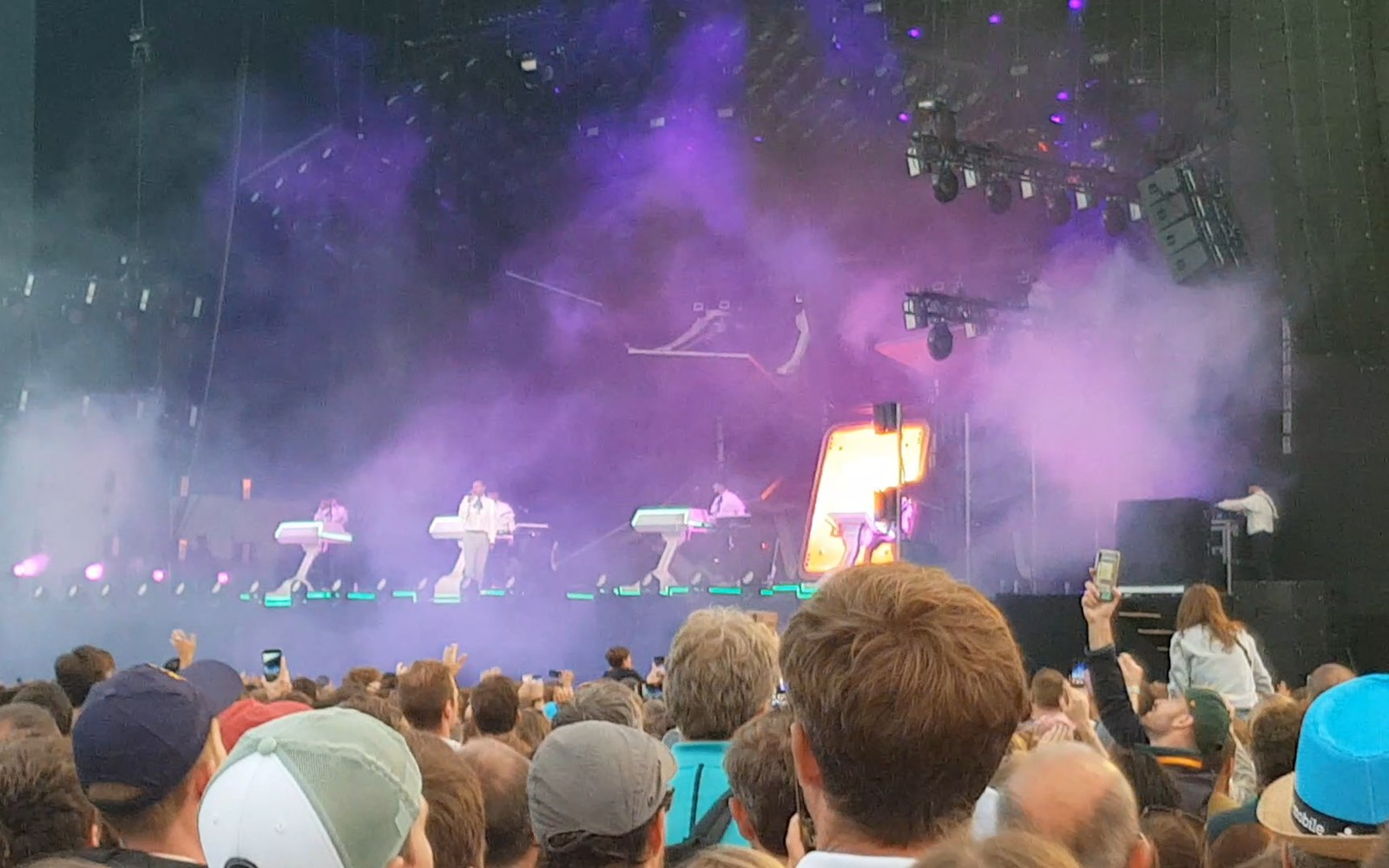
Angèle, Luciani and Armanet still write words first
Angèle, Clara Luciani and Juliette Armanet write in a tradition where the words lead and the arrangement follows — the oldest French pop instinct there is.
The line before the beat
French pop has always had a word for the thing it values most, and that word is chanson — literally "song," but carrying the freight of a tradition where the lyric is the architecture and the melody exists to hold it up. Edith Piaf, Jacques Brel, Françoise Hardy: the voice and what it says have always been the centre of gravity. Three artists working now — Angèle, Clara Luciani and Juliette Armanet — are the clearest inheritors of that instinct. Each arrived from a different city, with a different sound, and each writes in a way that makes the text feel like the first decision, not the last.
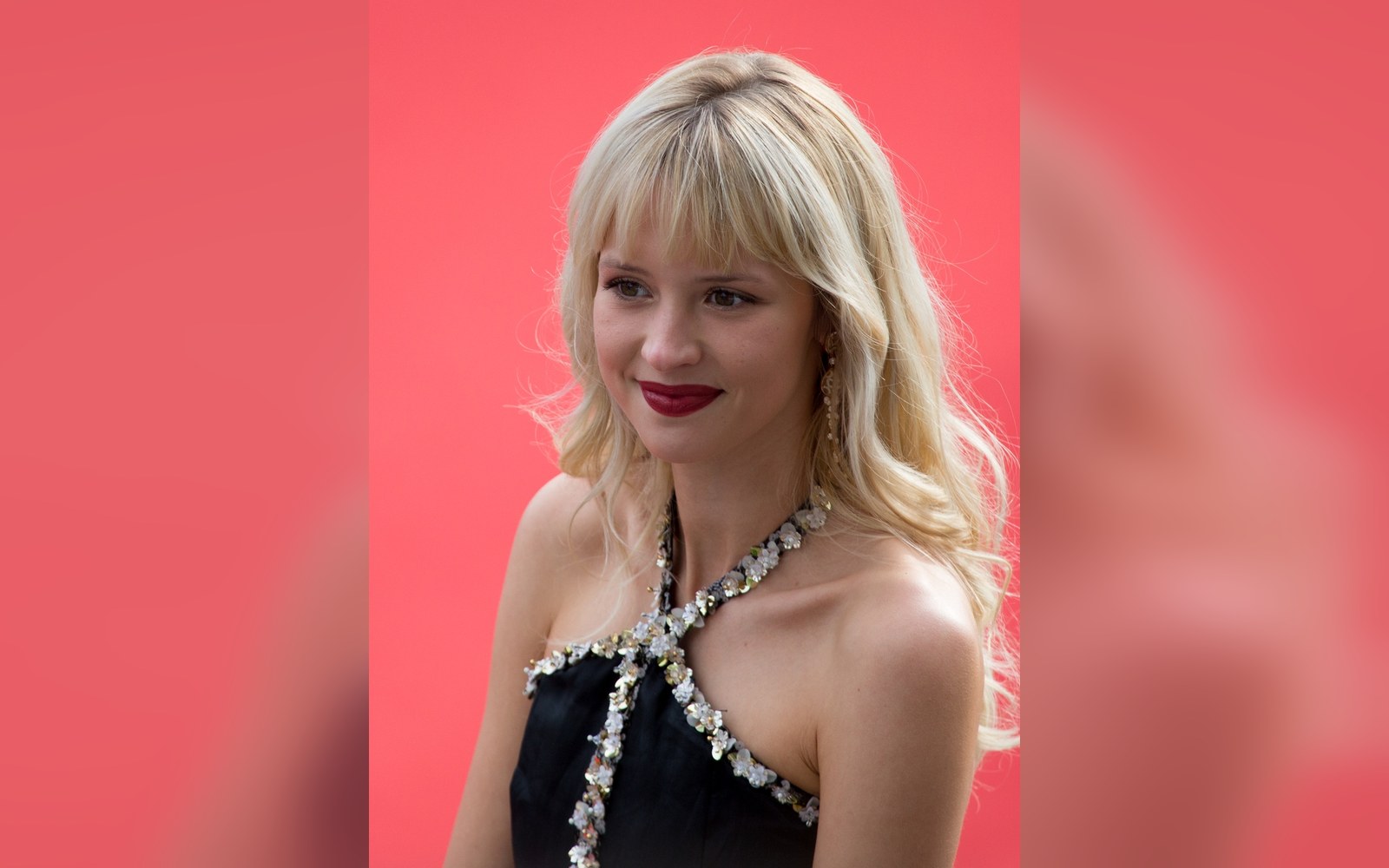
Angèle came out of Brussels, and her 2018 debut Brol made the argument that pop production and lyric precision were not competing interests. The arrangements are clean and modern; what they frame is writing that is observational, direct and, in places, caustic about the dynamics it describes. Brol was certified diamond in Belgium — the country's highest tier — and went platinum in France. The Victoires de la Musique recognised her at the 2020 ceremony. Her second album, Nonante-Cinq (2021), moved further into synth-pop without sacrificing the attention to phrasing that made the first record land.
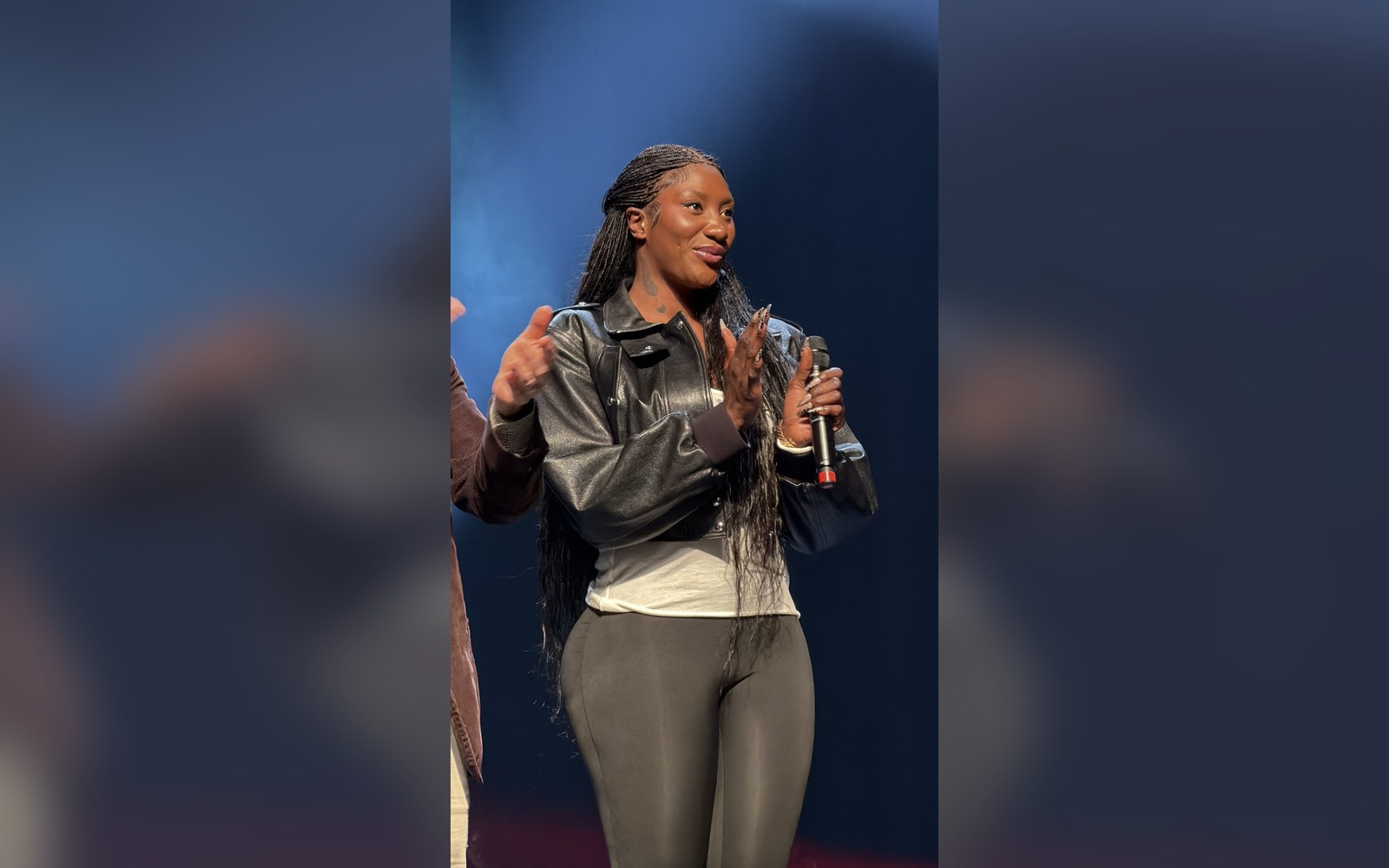
Clara Luciani is from the south, which matters: she came up through Marseille's scene before Paris noticed her, and something of that geography stays in her records. Her 2018 album Sainte-Victoire — named for the limestone mountain that Cézanne painted a hundred times above Aix-en-Provence — was a record about place, desire and interiority that wore its literary reference on its sleeve. The arrangements lean into disco and eighties French pop, the kind of debt that is most effective when you acknowledge it openly. Her 2021 follow-up, Cœur, won the Victoires de la Musique for Album of the Year, which the Victoires jury had last given to a solo female artist over a decade before.
Juliette Armanet is the most explicitly chanson of the three — her reference points include Serge Gainsbourg and the sixties yé-yé singers, but what she does with them is not pastiche. Her debut Petite Amie (2018) moved between piano-led balladry and more textured pop, and the writing had the quality of someone who had studied the tradition long enough to know which rules were worth bending. She has spoken in interviews about lyrics as something to be laboured over, revised, weighed. That seriousness shows on the record; it does not make the record solemn. Pistache (2024) continued in the same direction, and again the Victoires took notice.
Why the lyric wins, here
The Loi Toubon quota, in force since 1994, requires French-language music to occupy at least forty percent of broadcast airplay. That policy has kept the conditions for French-language pop viable through decades when English-language pop might otherwise have crowded it out. It does not explain the quality of what Angèle, Luciani and Armanet write — no regulation does that — but it does explain why radio programmers and labels have continued to invest in French-language pop as a commercially serious form rather than a niche affectation.
All three have played L'Olympia and moved upward through the room sequence that marks a French career. Angèle has sold out the Accor Arena. The sales and the rooms confirm what the writing already suggested: that there is a substantial audience that wants pop with something to say, in the language it grew up in, arranged to let the lyric breathe.