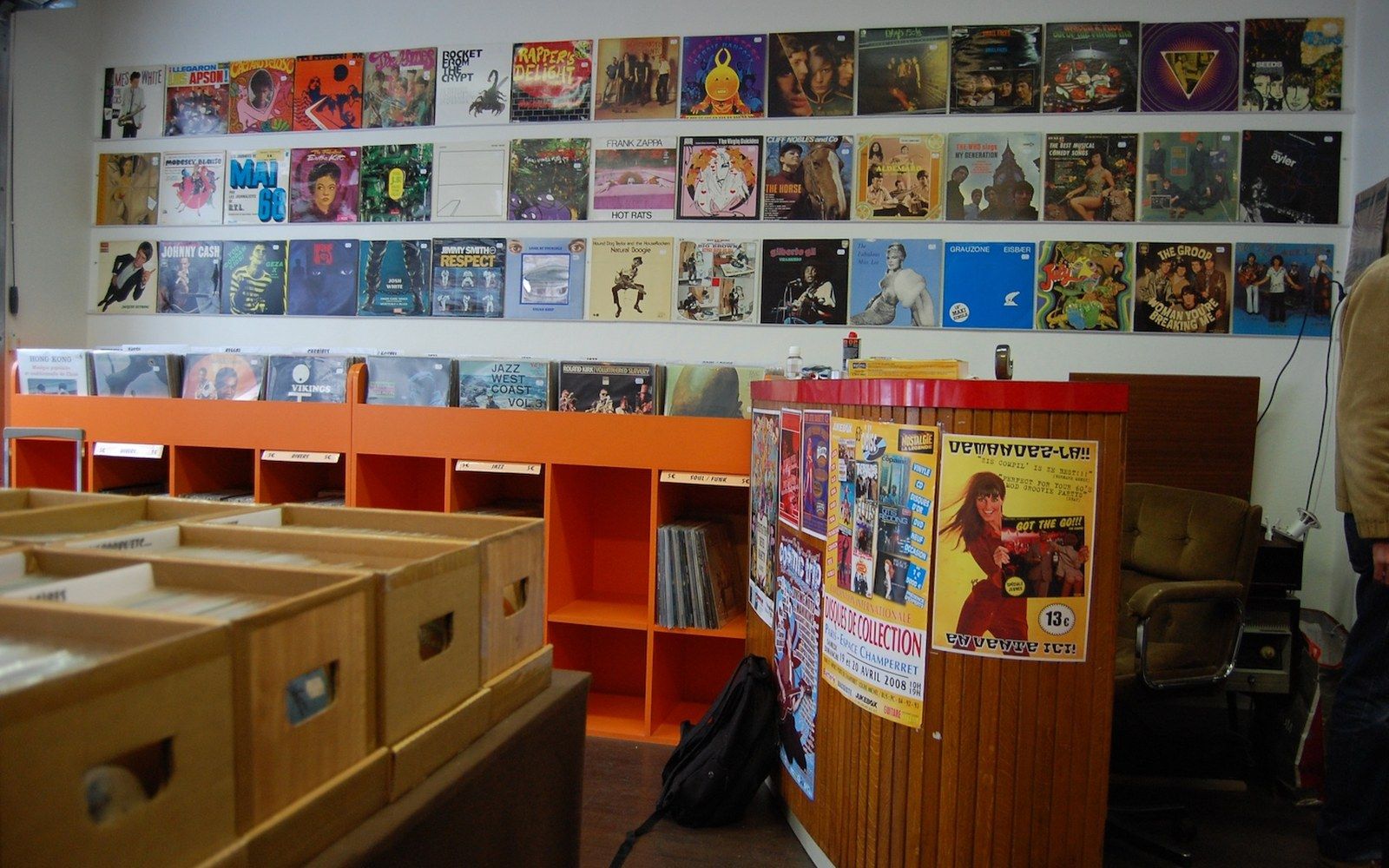
Why the map of French music follows the studio lease
A studio is a fixed cost with a lease, and scenes cluster around the rooms that already exist — not the places people imagine them.
The infrastructure comes first
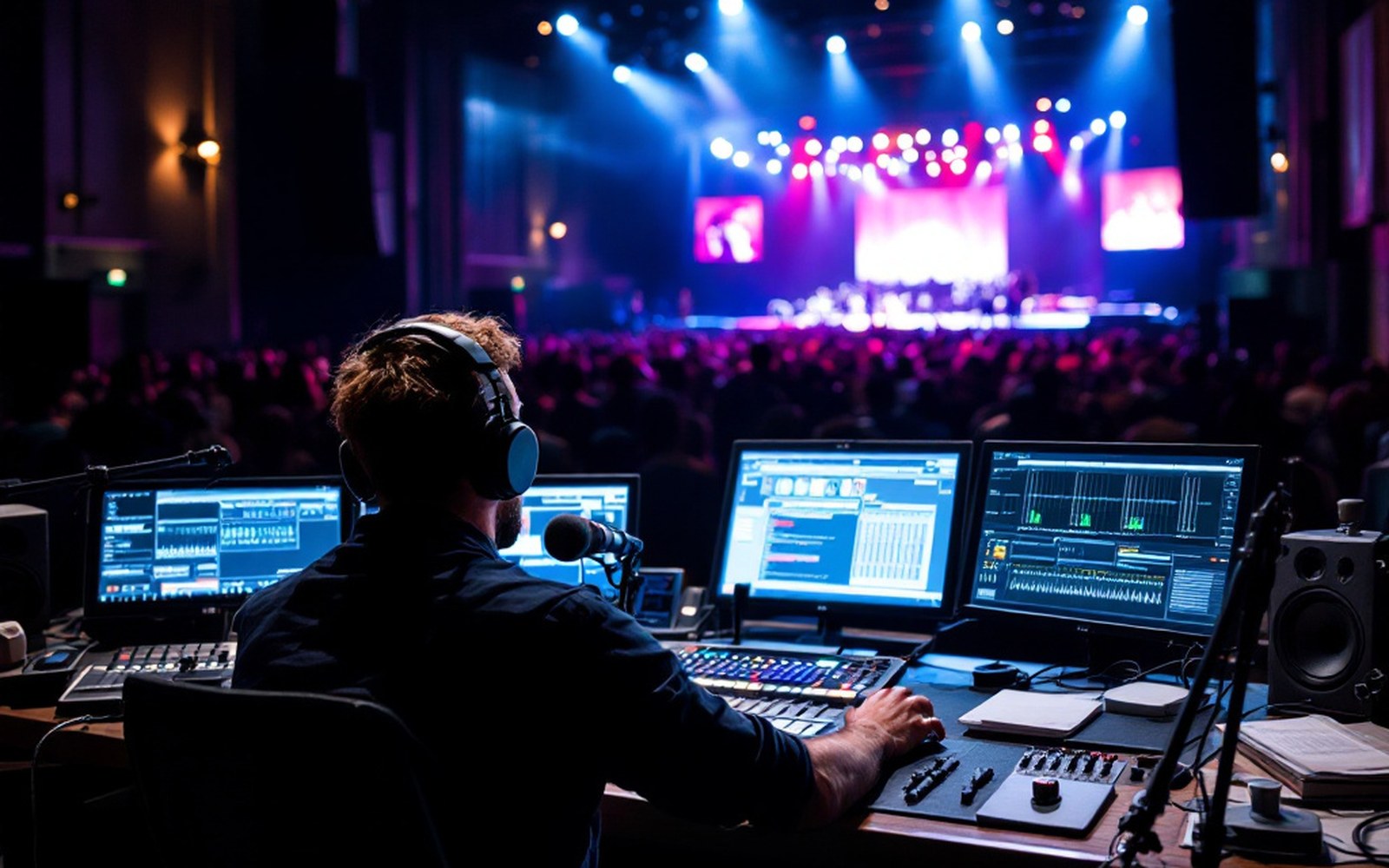
Before a scene has a name, it has a postcode. The studios, the rehearsal rooms, the small venues where a band plays to forty people and someone in the room is paying close attention — these are not where music begins, but they are where it compounds. You can have the talent without the room. You cannot have the scene.
This is not an abstraction. When people trace French rap back to the Seine-Saint-Denis banlieue — the ring of northern and eastern suburbs that French shorthand calls "the 93" — they are tracking a real geography of infrastructure: rehearsal spaces that charged affordable hourly rates, community centres where MCs cut their first freestyles, and eventually studios close enough to Paris to be useful but priced out of the capital proper. The scene did not form in the 93 because the artists imagined it that way. It formed because the rooms were there and the rents were not ruinous.
That logic holds across every node on this map. Marseille did not become the second capital of French rap purely through some civic spirit of independence. It became that because studios existed in the city — studios where Jul and SCH could work with producers who were also local, who could be called at short notice rather than scheduled across a TGV journey. When Jul made more than thirty releases in a decade, the underlying infrastructure story is that he had a room he could enter almost whenever he chose. Prolificacy is partly a personality trait. It is also partly a question of access.
What a lease costs, and what it shapes
A commercial studio lease in central Paris is priced like any other commercial real estate in one of the most expensive cities in Europe. The consequence is that the studios which exist in Paris tend to belong to the majors — Universal Music France, which operates with a scale that can absorb those costs, and a handful of others — or they sit in the less central arrondissements and postcodes where square-metre rates still permit smaller operations. The independents that genuinely shaped French music's international profile, Because Music and Ed Banger Records, did not become significant by occupying the most visible addresses in the capital. They became significant by building rosters and using studios where the economics made sustained work possible.
Ed Banger's story is particularly instructive. The label launched in the mid-2000s and helped export the French touch — the school of sample-based electronic production that ran from the 1990s through to the following decade — at a moment when that sound was acutely wanted outside France. The aesthetic was built in rooms, by producers who treated the studio as an instrument rather than a service. Pedro Winter, who founded the label, operated from a Paris base, but the studio logic was not about address prestige; it was about what the room permitted. The relationship between those two independents and the export of French music follows from that.
Toulouse runs the same pattern. Bigflo & Oli are the clearest example: two brothers who made their city a subject of record rather than a point of departure, which meant that the Toulouse studios they worked in were not a compromise or a waiting room before Paris but the actual site of production. The Victoires de la Musique, the French music industry's annual awards ceremony, has repeatedly returned to artists whose work is geographically specific in exactly this way — where the room's location is audible in what comes out of it.
The venues are infrastructure too
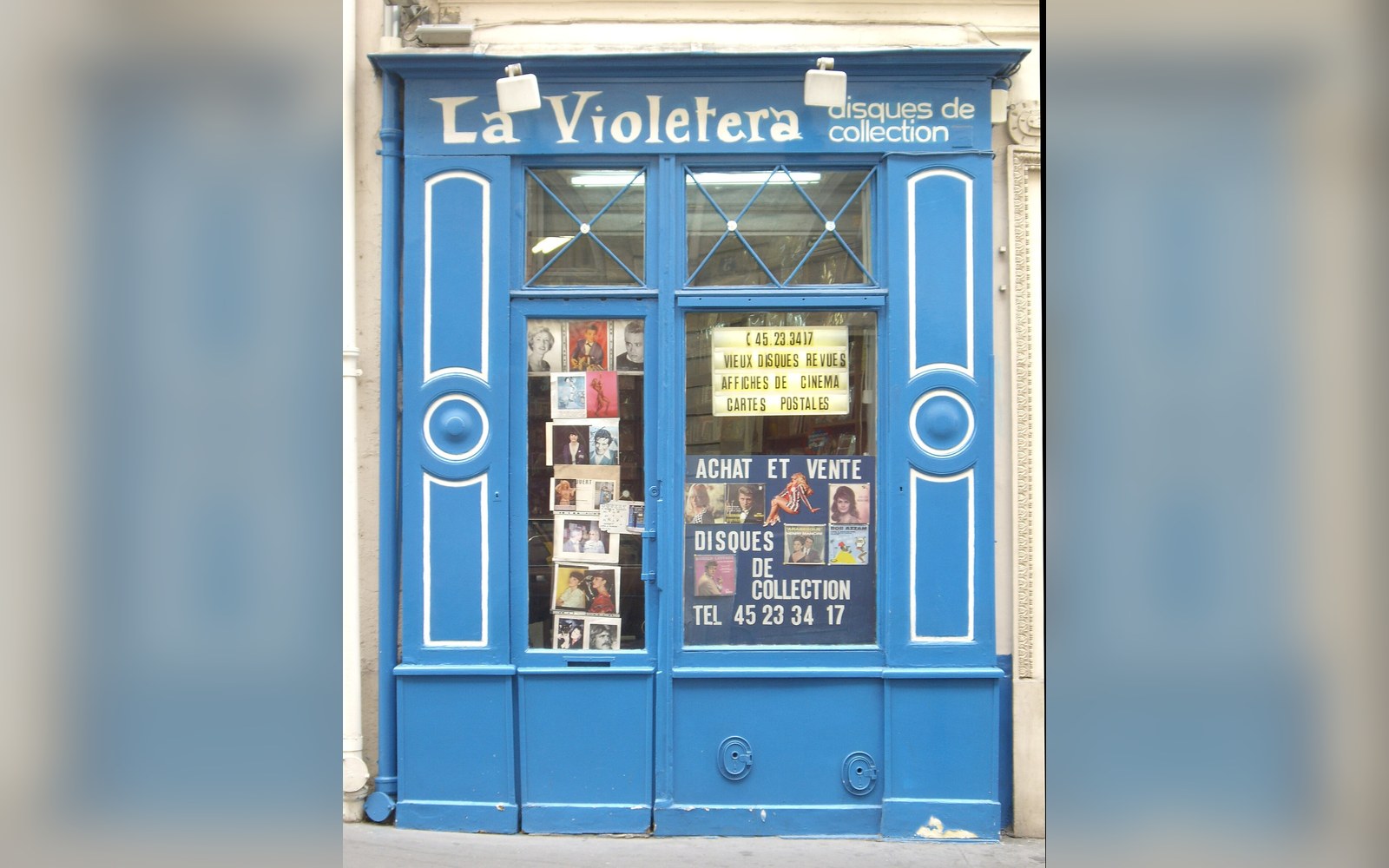
Rooms for recording are one kind of fixed cost. Rooms for performance are another, and the two together define what a career can look like. The circuit of Parisian venues — L'Olympia, La Cigale, Le Trianon, and at the far end of scale, the Accor Arena at Bercy — is not simply a prestige ladder. It is a capacity ladder, and capacity determines revenue, which determines whether a touring artist can afford the studio time to make the next record.
A career in French music is still legible as a sequence of rooms, each larger than the last. This is why venue geography matters beyond the obvious. An artist who can fill La Cigale in Paris but cannot get a booking at a comparably sized room in Marseille or Toulouse is leaving revenue on the table. The festivals — Rock en Seine, Les Vieilles Charrues in Brittany — exist partly to fill that gap, offering both reach and a different kind of legitimacy. SACEM, which collects and distributes performance royalties in France, records and reports the data that makes that circuit financially legible; its annual figures are one of the few clean windows into how live income distributes across French music.
Brussels sits slightly apart from this logic, because its artists are not subject to French radio law — the 1994 quota measure that requires French radio stations to programme at least forty percent French-language content — and they are not competing for the same studio slots. Stromae recorded what would become Multitude, his 2022 return, partly in Belgium and partly elsewhere. Angèle works between Brussels and Paris. What both have found is that the French market is large enough to reward them, and the Belgian position outside its regulatory structure is sometimes an advantage: they enter the system without being shaped by the pressures that system imposes on artists who live inside it every day.
The chart has an address
SNEP, the Syndicat national de l'édition phonographique — France's national body for recorded music — certifies sales and streams in ways that have made certification a meaningful shorthand for scale. Certification records in French rap are now effectively streaming records, and the streaming numbers are large enough to make the geography of production seem irrelevant: a track recorded in Aulnay-sous-Bois streams in Bordeaux and Montreal and Lagos. But the track was still recorded somewhere. Someone signed a lease on that somewhere. The room was the first decision, and it shaped every decision after.
The chart's addresses cluster where the studios are, where the rehearsal rooms are, where the venues give emerging artists a real stage. That is not a metaphor about authenticity. It is a description of how fixed costs govern creative geography, and why the map of French music looks the way it does — and not the way people imagine it might.